Comprehensive Fleet Vehicle Washing, Regular Upkeep, and Repair Services: Your Single-Location Solution
thorough truck washing, consistent maintenance, and repair services are crucial for fleet operators aiming to lengthen vehicle longevity and improve performance. These integrated solutions not only improve appearance but also prevent expensive repairs through prompt detection of technical problems. By optimizing processes, they resolve typical challenges faced by fleets. As the industry evolves, grasping these offerings becomes vitally important. What considerations should fleet managers consider when choosing the optimal solution for their needs?
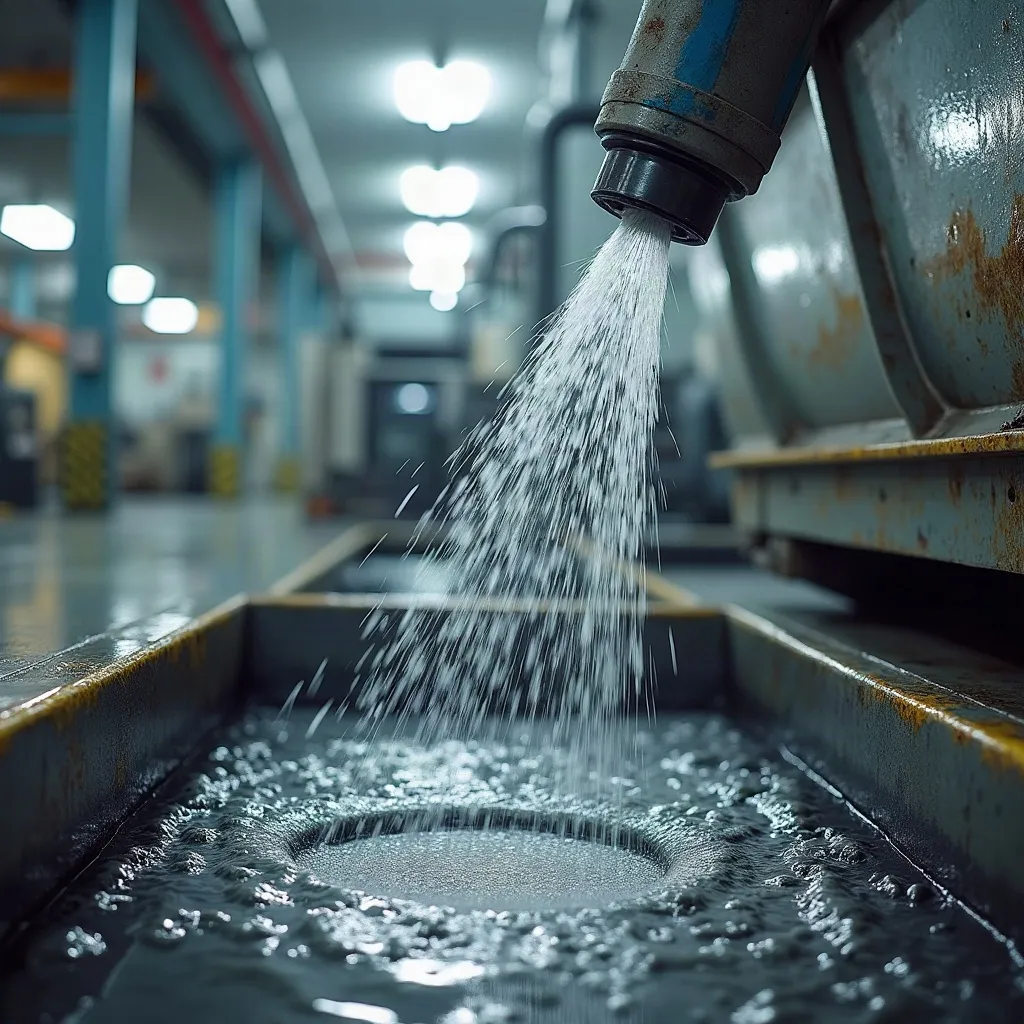
The Importance of Thorough Truck Washing
Thorough vehicle cleaning serves as a vital component in extending the lifespan and operational efficiency of fleet trucks. Regular maintenance washing helps remove soil, residue, and damaging materials that can accumulate over time, potentially leading to oxidation and decline. A clean truck not only enhances its visual charm but also enhances better visibility and safety for vehicle operators.
In addition, rigorous washing facilitates the spotting of potential mechanical issues, like leaks or damage, that may be obscured by filth. This forward-thinking approach can prevent more significant issues down the line.
Furthermore, keeping a clean fleet can enhance a company's professional image, building trust and reliability among clients. Overall, prioritized truck washing is a fundamental component of vehicle upkeep, ensuring that commercial fleets operate efficiently and effectively while reducing long-term repair costs.
How Routine Upkeep Enhances Vehicle Life
Planned servicing is vital for boosting the operating life of a vehicle fleet. By adhering to a regular maintenance schedule, fleet managers can recognize potential issues before they escalate into expensive maintenance. This preventive documentation approach not only secures that vehicles function properly but also enhances safety for drivers and other travelers. Routine checks, such as oil changes, tire rotations, and brake inspections, bolster optimal output and fuel efficiency, ultimately decreasing expenditure costs.
Moreover, well-maintained vehicles are unlikely to experience sudden failures, which can interrupt schedules and lead to lost revenue. Additionally, regular upkeep can preserve vehicle value, making it simpler to sell again or trade in fleet assets. In a competitive industry where reliability is paramount, investing in routine maintenance fosters trust with clients and improves overall business reputation. Consequently, solid upkeep strategies are integral to guaranteeing fleet longevity and operational success.
Key Maintenance Functions for Fleets
Managing a fleet requires a consistent approach to many responsibilities that ensure vehicles operate efficiently and safely. Essential maintenance duties include regular examinations, oil changes, and brake checks, which confirm every vehicle stays in peak condition. Tire upkeep, including rotation and pressure checks, is key for safety as well as fuel efficiency. Moreover, fluid levels—such as coolant, transmission fluid, and brake fluid—must be watched and replenished when necessary.
Scheduled cleaning and washing help protect the vehicles' exteriors and prevent rust and damage. Keeping thorough records of maintenance activities assists in tracking performance and identifying potential issues before they get worse. Furthermore, fixing minor repairs promptly can avoid costly downtime and extend the fleet's lifespan. By following these essential maintenance tasks, fleet managers can enhance overall efficiency, lower operational costs, and ensure compliance with safety regulations.
The Way a One-Stop Truck Care Solution Overcomes Frequent Commercial Vehicle Issues
A thorough single-source truck care solution effectively resolves many common issues encountered by vehicle managers. By combining various offerings, such as cleaning, upkeep, and repairs, fleet operators can optimize processes and minimize downtime. This integration simplifies scheduling and coordination, allowing for more streamlined vehicle administration.
Furthermore, a comprehensive service center facilitates information sharing among various service providers, curtailing the probability of lapses in communication or attention. Fleet operators derive benefits from steady service quality, as service experts understand better specific fleet items and their unique demands.
In addition, maintaining a single location for all truck care needs eliminates the difficulty of managing multiple vendors, ultimately saving time and resources. By handling these operational issues, a unified truck maintenance service positions fleet operators to concentrate on their key business pursuits while making certain their vehicles remain well-maintained and compliant with industry standards.
How Consistent Upkeep and Rinsing Cut Your Costs
Regular maintenance and washing of trucks can greatly reduce ongoing expenses for fleet managers. By avoiding expensive maintenance, enhancing fuel efficiency, and extending the life of vehicles, these offerings offer considerable monetary advantages. Committing to regular maintenance not only protects assets but also enhances overall business performance.
Stop Expensive Repairs
Investing in vehicle cleaning and maintenance can greatly reduce the risk of expensive fixes down the line. Regular washing cleans away grime, salt, and debris that can cause corrosion and damage to essential components. Maintenance routines, including oil changes and inspections, help identify potential issues before they turn into major problems. This proactive approach not only extends the lifespan of the vehicle but also improves overall safety on the road. Additionally, well-maintained trucks are less likely to experience breakdowns, minimizing downtime and associated repair costs. By keeping trucks clean and in ideal condition, operators can considerably reduce the likelihood of unexpected expenses, thereby ensuring a more efficient and profitable operation.
Boost Energy Efficiency
Keeping a well-maintained and properly serviced truck boosts fuel efficiency, ultimately saving operators money. Regular washing cleans off dirt and grime that can create drag, enabling smoother airflow and improved aerodynamics. In addition, routine maintenance, like checking tire pressure and ensuring peak engine performance, plays a critical role in fuel economy. Well-kept engines run more efficiently, using less fuel during operation. Moreover, promptly addressing minor problems prevents them from developing into expensive repairs, further protecting the bottom line. Operators who spend time keeping their trucks clean and regularly serviced can expect a noticeable reduction in fuel expenses, aiding overall operational efficiency and profitability. Regular maintenance and washing are essential methods for maximizing fuel efficiency.
Boost Vehicle Durability
A well-maintained truck not only increases fuel efficiency but also significantly contributes to its overall lifespan. Regular washing eliminates harmful contaminants like dirt, salt, and grime that can corrode surfaces and components. This preventative action preserves the truck’s paint and undercarriage, greatly reducing the chance of rust and structural damage. Additionally, routine maintenance, including oil changes and brake inspections, ensures all systems function optimally, preventing costly breakdowns. Regular checks allow early detection of potential troubles, facilitating preemptive fixes. By investing in frequent washing and upkeep, truck owners can extend vehicle lifespan and minimize expenses, thus leading to significant savings over time. Prioritizing vehicle care is a prudent approach for any owner.
Finding the Best Choice for Your Truck Maintenance
How would you locate the greatest partner for truck care in a crowded market packed with options? Deciding on the right service provider entails multiple vital considerations. Primarily, standing is essential; likely vendors should possess strong testimonials and endorsements from satisfied customers. Consequently, skill in assorted options—such as washing, maintenance, and repairs—ensures thorough aid for every vehicle requirement.
Moreover, analyzing certifications and industry affiliations can indicate the provider's commitment to quality and safety standards. Convenience and accessibility also factor in; a partner with multiple locations or mobile services can greatly increase operational efficiency.
To summarize, pricing transparency and service clarity eliminates unexpected costs, facilitating improved budget management. By following these guidelines, fleet managers can choose a reliable provider that strengthens vehicle longevity and performance, ultimately driving more efficient operations.
Shifts Molding the Coming Era of Truck Service
Innovations in digital advancement are revolutionizing truck upkeep, setting new standards for efficiency and effectiveness. The advent of predictive maintenance, powered by advanced data analytics and IoT sensors, enables fleet managers to monitor vehicle conditions in real time. This preventative strategy minimizes downtime by addressing issues before they develop into expensive maintenance.
Additionally, automated processes is becoming more notably present in maintenance practices. Robot-based systems and AI-driven diagnostics facilitate routine tasks, letting technicians to focus on more complex repairs. Moreover, the rise of electric and hybrid trucks requires new maintenance protocols, emphasizing the importance of expert training for technicians to service unique systems.
Sustainability is also molding the future, with eco-friendly cleaning agents and practices picking up momentum. Overall, these patterns signify a shift towards smarter, better performing truck maintenance solutions that not solely boost operational efficiency but also align with environmental responsibilities.
Often Inquired Questions
How frequently Should I wash My Truck?
Trucks should ideally be scrubbed every two weeks to preserve their appearance and protect the paint. However, more frequent cleaning may be needed in harsh conditions or after exposure to dirt, salt, or chemicals.
What Varieties of Products Are Applied in Truck Washing?
Various products are utilized in truck cleaning, including eco-friendly soaps, degreasing agents, waxes, and specialized wheel cleaners. These products successfully eliminate dirt, grime, and road salt, improving the vehicle's look and safeguarding its surface from damage.
Can Truck Washing Prevent Rust and Oxidation?
Washing trucks can effectively prevent rust and corrosion by eliminating particles that cause oxidation. Regular cleaning helps maintain the truck's exterior, shielding it against environmental factors and prolonging its life through minimized decay.
What Are the Red Flags My Truck Requires Immediate Repair?
Indicators of immediate repair requirements include strange sounds, dashboard alerts on the dashboard, liquid seepage, decreased performance, and vibrations while driving. Tackling these symptoms promptly can avoid further damage and guarantee safe operation.
Should I Book Upkeep During Busy Seasons?
Scheduling maintenance during busy seasons is imperative. Consistent maintenance guarantees optimal performance and safety. Overlooking upkeep can lead to sudden breakdowns, which may disrupt productivity and raise costs eventually. Prioritizing upkeep is intelligent.